
We all relish the scent of sun-kissed linen, but often that freshness is a facade, masking the harsh reality—chemical-laden waters returning to our oceans, disrupting aquatic life's delicate balance.
Eco Friendly Laundry Tips for Cleaner Clothes at Home
Discover your many options for achieving cleaner clothes while minimising your impact on the environment.
From
- eco friendly laundry detergents
- to reducing microplastics
- to harnessing the power of the sun
- to maximising your dryer's eco mode
……….we've got you covered.
Choosing Eco-Friendly Detergents
When selecting detergents, choose those with biodegradable ingredients that break down swiftly without leaving a trace. Eco-labels, plant-based components, and fragrance-free options are essential for the wellbeing of our waterways and marine life.
Always avoid phosphates and optical brighteners to protect aquatic ecosystems. Use sustainable concentrated laundry formulas, where a little goes a long way, reducing packaging waste and carbon footprint.
Natural Ingredients
Discover green laundry solutions that have simple formula lists and use plant-derived ingredients. These choices are usually biodegradable, meaning they'll decompose without harming ecosystems.
Sensitive Skin and Gentle for Baby Laundry Pods
Always consider laundry aids that use natural essential oils for a fragrant finish. Most common laundry detergents use petroleum-based, synthetic fragrances for their ‘laundry smell’. Seek out products bearing eco-certifications like Ecolabel or EcoCert, which show a commitment to environmental stewardship and transparency. This way, you won't just clean your clothes; you'll safeguard the environment.
Fresh Linen Laundry Detergent Strips
DIY Natural Detergent Recipes
Wondering how to create your own DIY laundry detergent? It's simpler than you might think.
For a basic recipe, all you need is
- one bar of grated Lavender castille soap
- two cups washing soda
- two cups baking soda
- extra few drops of your favourite organic essential oil
- Organic sweet orange essential oil
- Organic eucalyptus essential oil
Mix together and store in airtight container.
Use approximately 2 tablespoons of laundry mix per full washload.
This homemade laundry mix cleans effectively, respects our planet and smells wonderful.
Washing Clothes Sustainably
An eco-friendly laundry routine isn't just about swapping your regular detergent for a green alternative. It's also about the way you actually wash your clothes.
Only wash when you have a full load to maximise water and energy efficiency. Opt for cold water cycles whenever possible, as heating water can consume a hefty chunk of energy. Tweak your washing machine settings – eco modes can significantly reduce water usage and are just as effective for most laundry needs. By choosing these small but impactful changes, it’s not just sudsing up your clothes; you’re contributing to a cleaner, greener future.
Cold Water Advantages
Turning the dial to cold is a simple switch with multiple benefits. Cold water ensures the longevity of your clothes by preventing shrinkage and maintaining colour integrity. Also, since cold water won't set stains like hot water can, it's your best ally in the fight against accidental spills. Moreover, the energy saved from bypassing hot water heating reduces your carbon footprint – that's a win for both your budget and the environment.
Cold water is also gentler on fabrics, reducing wear and tear over time. When you wash with cold, you're extending the life of your clothing, which means fewer trips to shop for replacements. This not only saves you money but also lessens the demand for manufacturing and the associated environmental impact of clothing production and clothing wastage in landfills.
Full Loads and Energy Efficiency
Running your washing machine only when it's full is a smart move for the planet.
- Maximise your machine's capacity: Ensure you fill it to the recommended level without overcrowding.
- Select the appropriate cycle: Choose energy-saving cycles designed for full loads.
- Balance the load properly: Distribute clothes evenly to maintain efficiency and protect your machine.
- Manage the lint filter: Regularly check the lint filter in your washing machine to maintain its performance, prevent machine damage and to prevent a buildup of mould and bacteria.
Consistent use of these practices slashes energy use, conserves water and can extend the lifespan of both your clothes and your machine.
Reducing Microplastics When Washing Clothes
Microplastics are tiny plastic particles that can be harmful to the environment, especially when they end up in our waterways. When washing clothes, these microplastics can be released from synthetic fabrics and contribute to pollution.
There are several ways you can reduce the release of microplastics during laundry washing.
- Choose natural fabrics: Opt for clothing made from natural fibres like cotton, linen, hemp, or bamboo. These materials shed fewer microplastics compared to synthetic fabrics.
- Use a laundry bag (Guppyfriend bag): Consider using a laundry bag specifically designed to capture microplastics. These bags have a fine mesh that traps the microplastics released during the wash cycle.
- Wash on a gentle cycle: Washing clothes on a gentle cycle can help reduce the friction between fabrics, resulting in fewer microplastics being released.
- Use eco friendly laundry detergents or make your own: Eco friendly detergents help to reduce the burden of microplastics and toxic chemicals on the environment.
- Avoid fabric softeners: Fabric softeners can contribute to the release of microplastics. Instead, try using natural alternatives like vinegar or wool dryer balls to soften your clothes.
- Wash full loads: Washing full loads of laundry helps to maximise the efficiency of your washing machine and reduces the number of wash cycles, ultimately minimising microplastic pollution.
- Air dry your clothes: Whenever possible, opt for air drying your clothes instead of using a dryer. This not only saves energy but also reduces the release of microplastics that may be released in the machine drying cycle.
GuppyFriend Micro Waste Washing Bag
Did you know that every time you do your laundry, your synthetic clothes release hundreds of thousands of microfibres (tiny plastic and chemical coated fibers) that eventually end up in our waterways? It's even estimated that NYC alone has 6.8 BILLION microfibres flowing into its harbour each day. Cora Ball catches the microfibres that naturally shed from clothes in the wash. Made from 100% recycled plastic the Cora Ball works by trapping and securing threads in its "spindles" that can be easily cleaned as microfibres collect.
Line-Drying Benefits
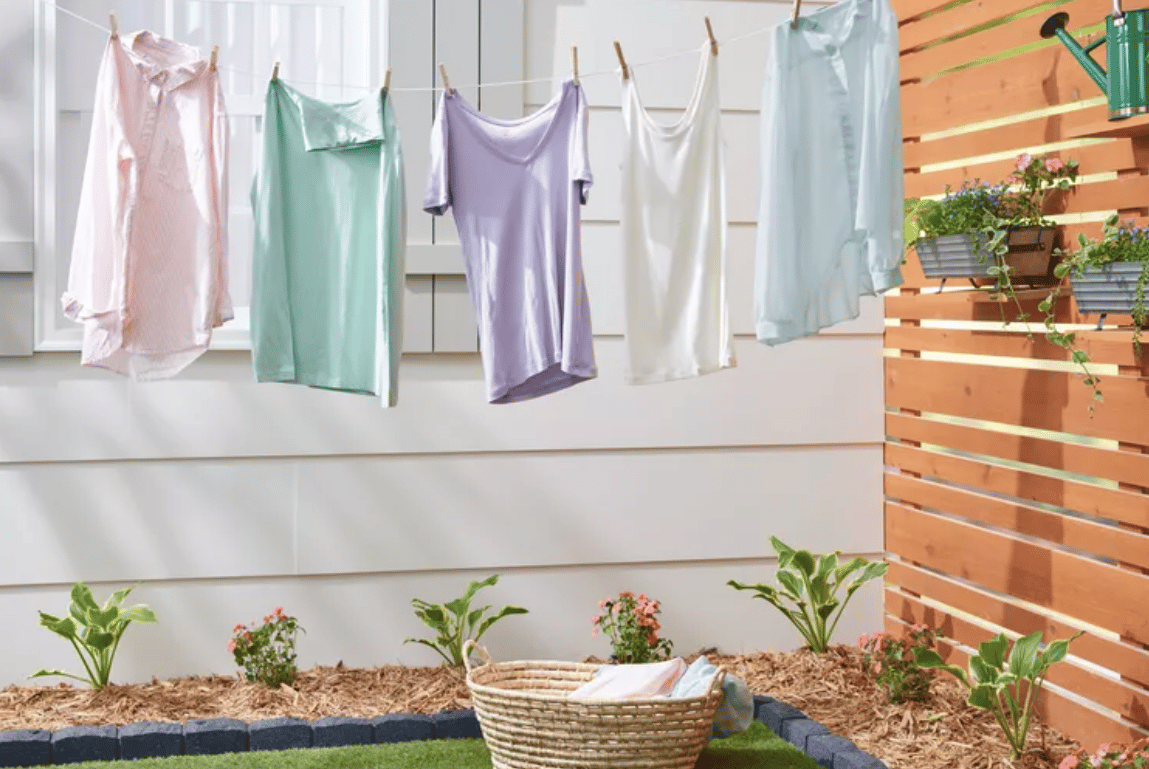
Natural whitening is a perk of aligning your laundry routine with the sun's rhythm. The ultraviolet rays work their magic, diminishing the need for harsh bleaches or chemical whiteners.
Moreover, clothes that swing and sway on a line enjoy not just space but also the air's cleansing properties. Gentle breezes act like a natural fabric softener, weaving through fibres, reducing static and the need for chemical additives. Regular line-drying can thus maintain the integrity and softness of fabrics over time. Your clothes will likely last longer and feel more comfortable against your skin.
Embracing sunlight as your ally in drying clothes also contributes to fading stubborn stains. When garments bask in sunlight, it helps break down stain molecules, often making those pesky spots less visible. It's remarkably effective for organic stains like grass or fruit juice.
Opting to dry clothes on a line rather than in a machine keeps energy bills down and reduces wear and tear on your wardrobe. This practice holds the potential to increase the lifespan of your clothing, thereby decreasing consumption.
Maximising Your Dryer's Eco Mode
If you choose to use your dryer, embrace your dryer's eco mode—it's designed to conserve energy while still getting your clothes dry. Select it as your go-to setting to support sustainable living practices. Always sort out lighter fabrics as they dry quicker, reducing the cycle time.
Eco mode operates best with a consistent airflow, so keep the lint filter clean to ensure efficiency. A clogged filter can extend drying times, which negates the eco benefits and potentially becomes a fire hazard.
Steer clear of chemical-laden dryer sheets and liquid fabric softener and instead opt for the White Eco Wool Dryer Balls. These dryer balls naturally soften and fluff your laundry, reduce static cling, and decrease dry time. These dryer balls are made from 100% organic and cruelty-free certified New Zealand Wool and therefore are also completely biodegradable. They're handmade in Nepal by women with disabilities who are paid a fair wage and operate in safe, equitable working conditions. There are no chemicals or additives used in the dryer balls, so it's an ideal product for those with sensitive skin and babies.
By incorporating these eco-friendly laundry tips into your routine, you can make a positive impact on both the cleanliness of your clothes and the health of our planet. From reducing microplastics and harnessing the sun's power for natural bleaching and air-drying your clothes, every small change adds up to a big difference.
Together, we can make a difference, one load of laundry at a time.
"Note: Some of the links in this article may be affiliate links. This means that I may earn a small commission if you purchase a product through these links, at no additional cost to you. These commissions help support the maintenance of this website and allow me to continue providing valuable content on holistic health and eco-friendly living.
Thank you for your support!"